The safest way to learn how to shut off water during a plumbing leak emergency is to protect people first. Close the nearest fixture valve or main shut-off valve if the area is dry and safe. Keep away from electricity, open a faucet to lower pressure, and call a licensed plumber when water keeps spreading or a valve fails.
Table of Contents
- What should you do first during a plumbing leak emergency?
- Where is the main water shut-off valve located?
- How do you shut off the main water supply?
- When should you use a fixture shut-off valve instead?
- How can you relieve pressure after shutting off the water?
- What should you do if you cannot find or operate the shut-off valve?
- How do you handle electrical and water damage risks?
- What plumbing leaks require immediate professional repair?
- What happens after the water has been shut off?
- How can you prepare for a future plumbing leak emergency?
- Key takeaways
- Frequently Asked Questions
What should you do first during a plumbing leak emergency?
Protect people and pets before trying to save belongings. Move everyone away from standing water, wet floors, falling ceiling pieces, and damaged walls. Do not touch electrical items while standing in water. A leak under a sink may be small, but water near an outlet needs extra care.
Protect people, belongings, and electrical areas
Keep children and pets away from the wet room. Move small items to a dry place only if the path is safe. Use buckets and towels only when the leak is limited and no electrical danger exists. Never climb into a flooded area or touch a wet appliance.
Leave the area if water is near outlets, panels, appliances, or light fixtures. You may turn off the main electrical panel only from a dry location. If reaching it means crossing water, do not try. Leave the property if needed and call the electric utility or emergency services.
Confirm whether the leak is active and worsening
Look for the source without opening walls or lifting flooring. Water may come from a supply pipe, drain, water heater, toilet, appliance, or roof area. A supply leak often continues when the fixture is not in use. A drain leak often appears only when water flows.
Take a quick photo or video from a safe place. This may help a plumber understand the problem. Lake Mary Plumbing helps Lake Mary property owners when a leak is hard to trace or water damage is spreading. Do not spend time searching for the source if the water is moving fast.
Where is the main water shut-off valve located?
The main water shut-off valve controls water entering the property. It is often near the point where the service pipe enters the building. Common spots include a basement, crawl space, garage, utility room, mechanical room, or outside wall near the water meter.
Common indoor and outdoor valve locations
In cold areas, the valve is often inside to help stop freezing. In warm areas, it may be near an outside meter box or exterior wall. Multi-unit buildings may have one valve for a unit and another for the whole building. Commercial sites may have several valves for different zones.
The valve may be behind a small access panel. Never enter a locked utility room without permission. Tenants should ask the landlord or property manager where the valve is before an emergency happens. Property owners should make sure the valve stays clear and easy to reach.
How to identify the main shut-off valve
The main valve sits on the pipe before water reaches the rest of the building. A gate valve has a round wheel. A ball valve has a lever handle. The main valve is not the small valve under a sink or behind a toilet.
Do not mistake a pressure regulator, drain valve, or outdoor hose connection for the main shut-off. If you are unsure, ask a licensed plumber to identify and label it. Knowing this spot can save time during a burst pipe emergency.
How do you shut off the main water supply?
Turn the valve clockwise until it stops, but do not force it. A gate valve may need several turns. A ball valve usually closes when its handle sits across the pipe. After closing it, check a faucet to see if the flow slows and stops.
Turning a gate valve or ball valve
Use these steps only when the valve is easy to reach and the area is dry:
- Stand on a dry surface with a clear path to safety.
- Turn a round gate valve clockwise by hand until it stops.
- Turn a ball valve one quarter turn across the pipe.
- Open a nearby cold-water faucet to check the flow.
- Watch the leak for several minutes to see if it slows.
A small amount of water may remain in the pipes. That water can drain after the supply closes. The flow should not keep building or stay at full strength. If it does, the valve may not be closed, or another supply may feed the leak.
What to do when the valve will not turn
Do not use a wrench or pipe tool on a stuck valve. Too much force can break the valve or the pipe beside it. Do not heat the valve, hit it, or spray an unknown product on it.
Call a licensed plumber if the valve drips, cracks, or will not close. Lake Mary Plumbing supports leak detection and pipe repair in the Lake Mary area, including Heathrow, Timacuan, Sanford, Longwood, Wekiwa Springs, Altamonte Springs, and nearby communities. A professional can isolate the system and replace a failed shut-off valve safely.
When should you use a fixture shut-off valve instead?
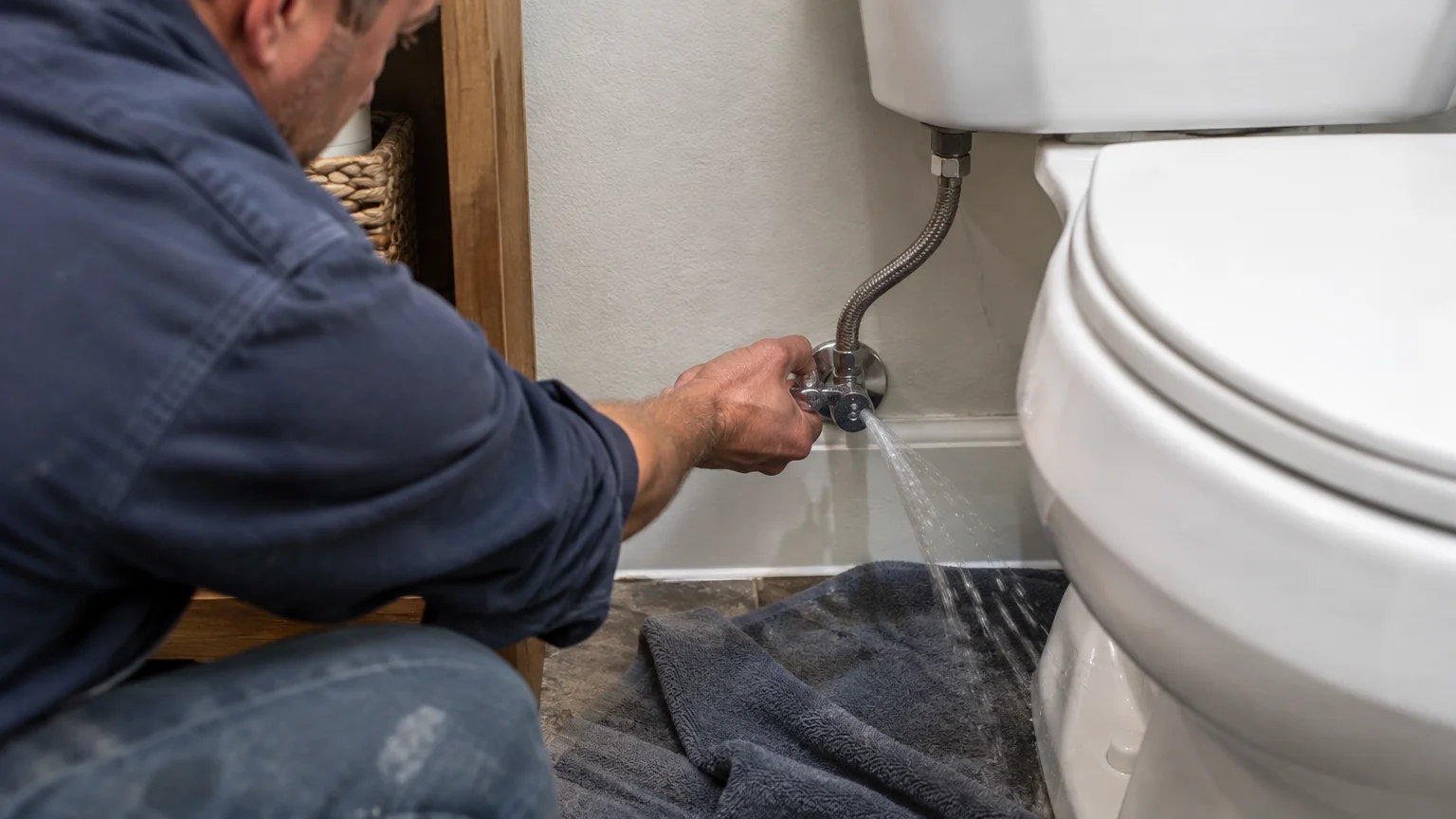
Use a fixture valve when one item is leaking and its valve is easy to reach. This limits the water shut-off to one fixture. It may keep sinks, toilets, and other parts of the property available. This method often works for toilets, sinks, dishwashers, washing machines, and some water heaters.
Toilet, sink, appliance, and water heater valves
A toilet valve is usually on the wall below the tank. A sink valve is under the cabinet. Appliance valves may be behind or beside the appliance. Water heater valves are near the cold-water pipe entering the tank or unit.
Turn the handle clockwise, or move a lever so it crosses the pipe. Then stop using the fixture. If a toilet supply line sprays, close its valve first. If the leak continues, close the main supply when it is safe.
How to isolate a leak without shutting off the whole property
Isolation means stopping water at one fixture instead of the whole property. This works when that fixture is clearly causing the leak. It keeps other sinks, toilets, and rooms available. Still, a fixture valve cannot stop a hidden pipe inside a wall or floor.
For a leaking water heater, close the cold-water inlet valve. Turn off its energy source only when the instructions allow it. Gas equipment needs extra care. If there is a gas smell, leave right away and contact the gas utility or emergency services. Do not operate switches or create a flame.
How can you relieve pressure after shutting off the water?
Opening a safe faucet after closing the supply helps release water held in the pipes. This may reduce pressure at the leak and drain some trapped water. It will not remove water from walls, ceilings, insulation, or flooring.
Opening faucets and flushing toilets safely
Open the cold faucet closest to the leak when the area is dry. A faucet on a lower level may help drain water from upper pipes. Flush a toilet only when the supply is closed and the bowl is not overflowing.
Do not open a faucet near exposed electrical equipment. Do not use hot water if the water heater may be empty while its energy source remains on. A plumber can explain the safest next step when the system is not clear.
Why pressure relief helps limit ongoing leakage
Water inside a pressurized pipe may keep escaping after the main valve closes. Draining a small amount can slow the flow. It may also make later plumbing repair safer by reducing water movement through the damaged pipe.
Pressure relief is not a repair. A cracked pipe, broken connector, or hidden leak still needs an inspection. Drying the water without fixing the source can allow mold, rot, and damage to continue.
What should you do if you cannot find or operate the shut-off valve?
If you cannot find the valve, check building plans, the meter area, the utility room, or landlord records. Tenants should contact the property manager. The local water utility may explain where its public-side valve is located.
Handling stuck, damaged, or inaccessible valves
Never force a rusty valve. A stuck handle may break the stem and cause a larger leak. Do not remove a meter cover unless the utility permits it. Keep people away from flooded crawl spaces, pits, and rooms with damaged ceilings.
If water is rising quickly, leave the affected room. Protect only items you can move without entering danger. A plumber may need to shut water off at another point. Commercial properties may also need a facilities manager to isolate separate areas.
When to contact the water utility or an emergency plumber
Contact the water utility when the problem may involve the public supply or meter. Contact an emergency plumber when water enters the building, a private valve fails, or a pipe bursts. Emergency plumbing help is also needed when the source remains hidden.
Lake Mary Plumbing serves homes, businesses, rentals, and other properties and nearby areas. A qualified plumber can find the shut-off point, perform leak detection, and explain the safest repair plan.
How do you handle electrical and water damage risks?
Water and electricity can cause a severe shock. Treat a wet floor near an outlet, panel, appliance, or extension cord as unsafe. Do not walk through water to reach a switch or unplug equipment.
When it is unsafe to enter a wet area
Leave when water is deep, fast-moving, dirty, or near electrical equipment. Leave when a ceiling bulges, flooring moves, or sewage enters the property. Call emergency services if someone is hurt, trapped, or in immediate danger.
Do not use a vacuum, fan, heater, or pump until a qualified person says it is safe. Do not touch a fallen wire or damaged gas appliance. These steps help protect people while the plumbing problem is controlled.
Documenting damage and protecting contents
Take photos from a dry area. Write down when the leak began, where water appeared, and which valves were closed. Keep damaged items if an insurance claim may be needed, but do not handle dirty or unsafe materials.
Move clean items only when the path is dry and safe. Dry surfaces with approved equipment after the source is repaired. Hidden moisture may remain behind cabinets, walls, and flooring, so a full inspection is important.
What plumbing leaks require immediate professional repair?
A burst pipe, hidden leak, sewer backup, or fast-spreading water needs prompt professional help. Even a small drip becomes urgent when it reaches electrical systems, structural materials, or finished rooms.
Burst pipes, concealed leaks, and rapidly spreading water
A burst pipe may release water under strong pressure. It can damage walls and ceilings quickly. A hidden leak may cause stains, damp smells, peeling paint, warm floor areas, or unexplained water use. These signs need more than surface drying.
Do not cut into a wall unless the area is safe and the repair plan is clear. A plumber can use leak detection methods to narrow the source before opening finished materials. This may reduce needless damage and help find the right part to repair.
Water heater, sewer, and gas-related warning signs
A leaking water heater can damage nearby floors and walls. Water heater repair may be needed when the tank, valve, connection, or supply line fails. A sewer leak can carry harmful waste and should not be cleaned like fresh water.
A gas smell near a water heater or gas line requires immediate evacuation. Contact the gas utility or emergency services. Do not relight gas equipment after a leak unless the manufacturer and a qualified professional say it is safe. Lake Mary Plumbing can address private plumbing leaks, but gas emergencies must follow utility and emergency guidance first.
What happens after the water has been shut off?
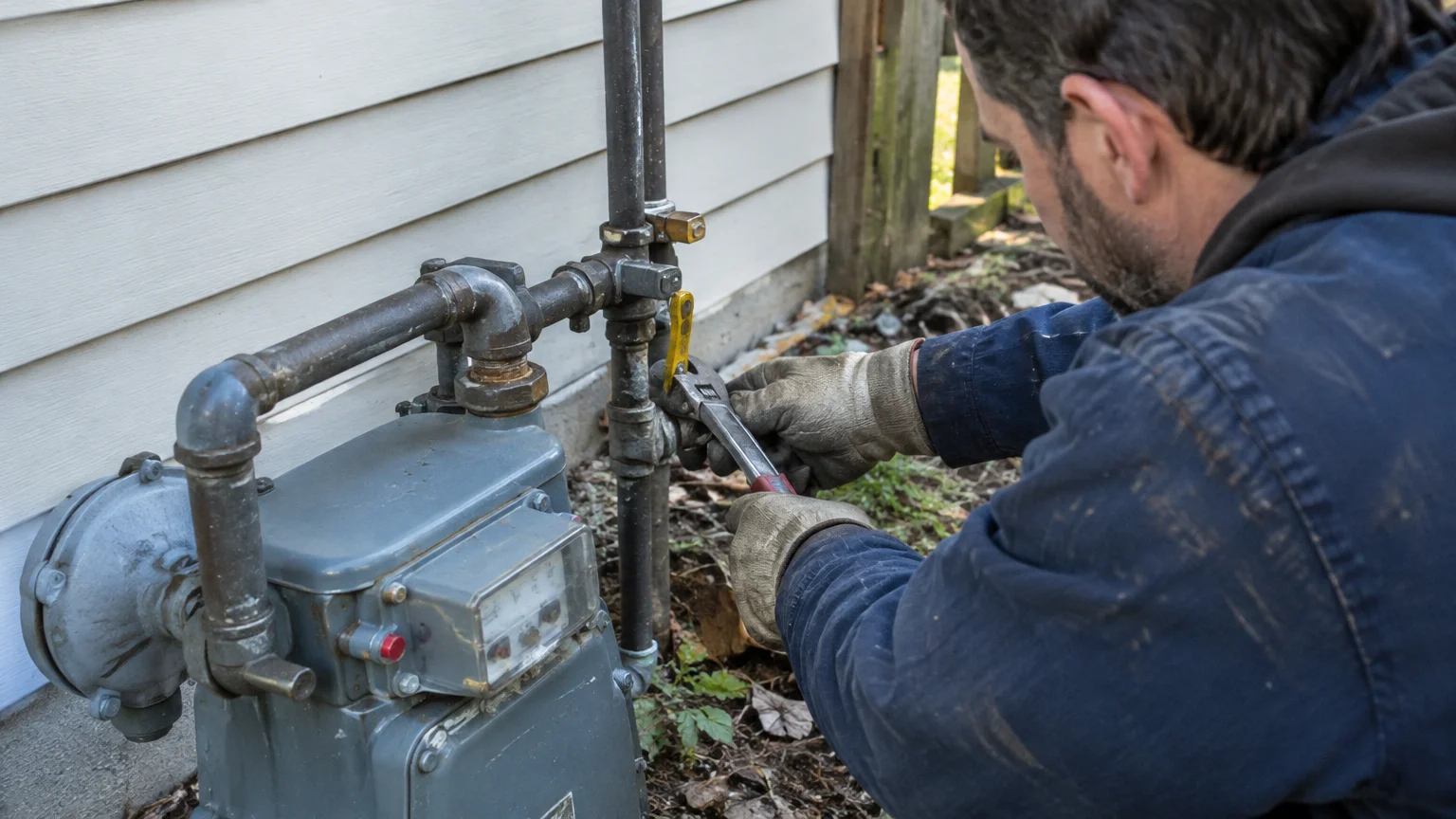
After shut-off, find the source and check the damage. A plumber may inspect visible pipes, fixtures, valves, walls, ceilings, and equipment. The repair may need a new fitting, a pipe repair, or a small opening to reach a hidden leak.
Inspection, leak detection, and pipe repair options
Leak detection means finding the path and source of unwanted water. It may include pressure checks, moisture readings, visual checks, or other tools. The best method depends on the pipe type, leak location, access, and signs of damage.
A repair plan should fix the failed part and address why it failed. Corrosion, freezing, movement, poor connections, and age can affect the right repair. Lake Mary Plumbing can help property owners decide whether a small repair or wider pipe work is needed.
Drying affected areas and preventing secondary damage
Begin drying after the source is controlled. Remove standing water safely, improve air movement when power is safe, and check cabinets, baseboards, insulation, and flooring. Porous materials can hold moisture even when the surface feels dry.
Watch for musty odors, stains, swelling, and peeling finishes. Quick water damage control may limit further problems. Insurance providers may also need photos, notes, and prompt notice.
How can you prepare for a future plumbing leak emergency?
Preparation makes a leak easier to control. Every home, rental, and business should know where its main valve is located. The valve should stay clear, labeled, and easy to reach.
Labeling valves and testing them safely
Ask a plumber to label the main valve and key fixture valves. Test a valve only when the area is dry and the system is stable. Turn handles gently and return them to their normal position unless a professional recommends replacement.
Keep a flashlight, gloves, towels, and a bucket in an easy-to-reach place. Make sure adults in the property know the emergency plan. Tenants should keep the landlord and property manager contact process nearby.
Maintenance steps for homes, rentals, and commercial properties
Regular checks can reveal trouble before a major leak. Look under sinks, around toilets, near water heaters, and beside appliances. Watch for corrosion, wet cabinets, stains, slow drains, and sudden changes in water pressure.
Useful preparation includes:
- Keep the main shut-off area clear and labeled.
- Check visible supply lines for wear or swelling.
- Replace damaged washers, hoses, and connectors promptly.
- Know which fixtures have local shut-off valves.
- Keep records of repairs and repeated leak signs.
- Arrange a professional inspection when the source stays unclear.
Key takeaways
- Protect people before touching valves or moving belongings.
- Use a fixture valve when one appliance or fixture is leaking.
- Close the main valve when water spreads or the source is unclear.
- Never enter standing water near electrical equipment.
- Get professional help for burst, hidden, sewer, gas-related, or fast-moving leaks.
Frequently Asked Questions
How do you find a water leak in a house?
Start by checking visible pipes, cabinets, toilets, water heaters, appliances, ceilings, and floors. Look for wet spots, stains, peeling paint, musty smells, or unexplained moisture. If the source is not visible, a licensed plumber can use leak detection methods to find hidden water without guessing.
What should someone do if a pipe bursts in the home?
Move people away from the water. Close the nearest fixture valve or main valve if it is safe. Avoid wet electrical areas and do not force a stuck valve. Open a safe faucet to reduce pressure, then contact a plumber for emergency burst pipe repair and water damage guidance.
How can a homeowner check for water leaks?
A homeowner can inspect exposed pipes, toilets, faucets, water heaters, appliance hoses, and cabinets. Watch for damp marks, mold-like odors, or changes in water pressure. These simple checks are safe when the area is dry. Hidden or active leaks need professional inspection.
Should the main water valve be turned off during every leak?
Not always. A small leak from one fixture may stop when its local valve closes. The main valve is better when the source is unclear, water is spreading, or a fixture valve fails. The safest choice depends on access, electrical risk, and leak speed.
How long can a property stay without water after a shut-off?
The time depends on the property, weather, occupants, and needed repair. Keep the shut-off in place until the source is inspected and controlled. A plumber can confirm whether part of the system can safely reopen while damaged areas are repaired.
Conclusion
Knowing how to shut off water during a plumbing leak emergency can limit damage and give a plumber a safer starting point. Protect people first, use the nearest safe valve, avoid electrical hazards, and record what happened. Contact us today to reach Lake Mary Plumbing for leak detection, emergency plumbing, and pipe repair support and nearby communities.